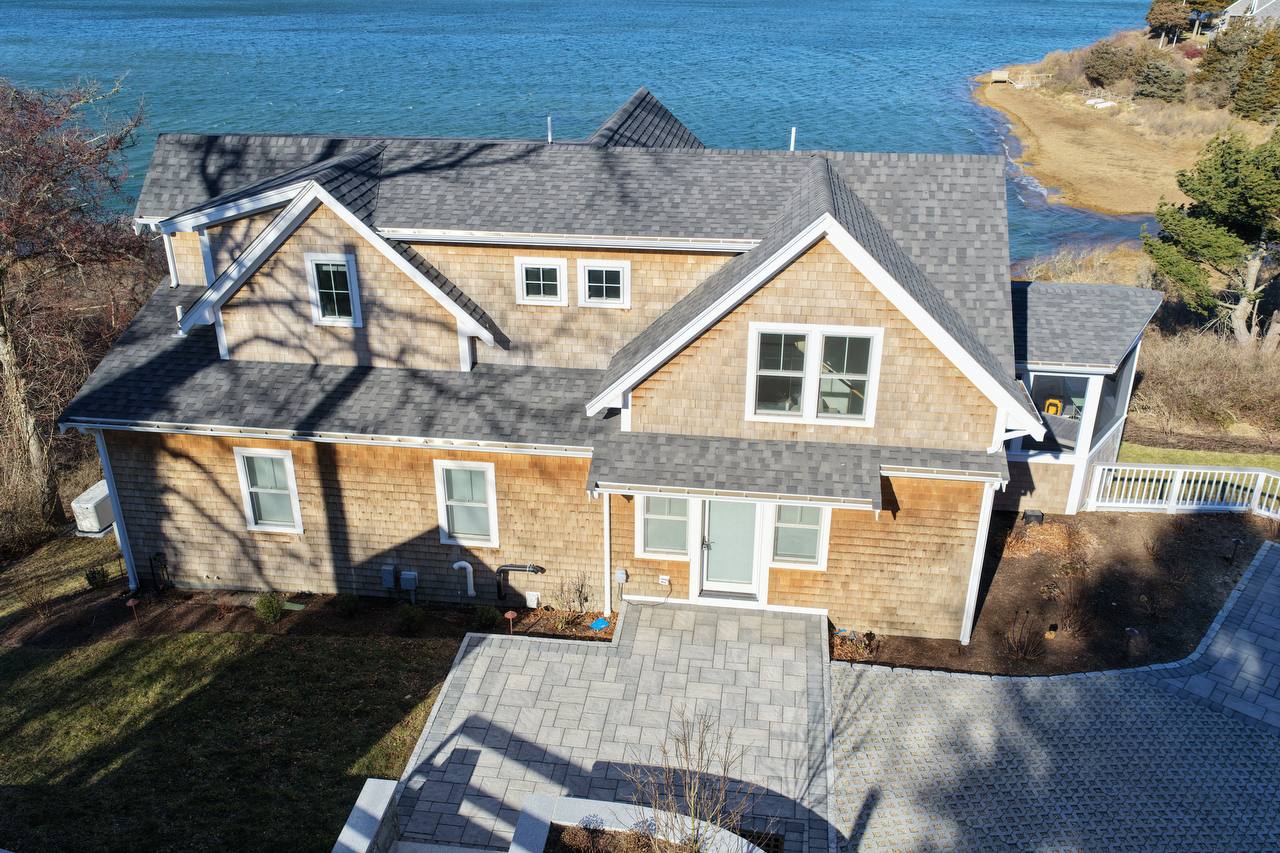
Coastal renovations on Cape Cod demand materials that balance aesthetic authenticity with engineered performance. For a recent Orleans residence, our team executed a comprehensive exterior transformation centered on premium cedar siding installation, complemented by architectural asphalt roofing on a newly constructed addition. Completed within a tightly coordinated 7-day window, this project demonstrates how natural white cedar cladding—when installed with precision ventilation protocols, corrosion-resistant fastening systems, and expert detailing around complex architectural elements—creates a resilient, visually striking envelope capable of withstanding Atlantic coastal conditions. Below, we break down the material science, installation methodologies, and integration strategies that define a high-performance cedar siding system.
White Cedar Siding: Material Science & Coastal Performance
Natural white cedar remains the definitive cladding choice for New England coastal architecture, and its dominance is rooted in measurable performance characteristics rather than tradition alone. The wood’s cellular structure contains high concentrations of thujaplicins and other natural extractives that function as built-in biocides, providing inherent resistance to fungal colonization, insect infestation, and moisture-related degradation without chemical treatments. With a density of approximately 23 lbs/ft³ and a shrinkage coefficient significantly lower than most softwoods, white cedar exhibits exceptional dimensional stability—a critical advantage in Orleans’ marine climate where relative humidity can fluctuate 40% within a single week.
For this project, we specified kiln-dried, vertical-grain white cedar shingles with a moisture content of 12–14%, precisely matched to Cape Cod’s equilibrium moisture content to minimize post-installation expansion stress. Each shingle was installed with a consistent 1/8″ back-ventilation gap, creating a continuous drainage plane that allows capillary moisture to escape while preventing condensation buildup against the sheathing. This ventilation protocol is non-negotiable in coastal environments where wind-driven rain can penetrate even the most precise shingle joints.
Fastener selection prioritized long-term corrosion resistance and holding power. We specified 316-grade stainless steel ring-shank nails, driven to controlled depths that avoid fiber crushing while maintaining a minimum 1.25″ penetration into structural framing. Ring-shank geometry increases pull-out resistance by approximately 35% compared to smooth shanks—a critical factor in high-wind coastal zones where cyclic loading can loosen traditional fasteners over time.
Precision Detailing Across Complex Architectural Elements
The Orleans residence features multiple architectural complexities that demand advanced cedar siding installation techniques: bay windows with multi-plane glazing, intersecting corner transitions, varied window trim configurations, and a prominent brick chimney integration. Each element introduces hydrodynamic and thermal variables that require tailored detailing protocols.
Corner transitions eliminated reliance on traditional corner boards, which create vulnerable vertical seams prone to moisture infiltration. Instead, we implemented a staggered interlocking sequence where shingles from adjacent walls overlap in a continuous drainage plane. This method removes weak points, distributes wind pressure more evenly across wall intersections, and creates the seamless, architecturally refined finish characteristic of high-end Cape Cod design.
Around bay windows and trim areas, we employed custom templating and precision cutting to maintain consistent exposure and alignment. Each penetration was flashed with a continuous weather-resistive barrier lapped over the siding course below, ensuring water is directed outward rather than trapped at transitions. The brick chimney integration required special attention to thermal expansion differentials; we installed flexible flashing membranes that accommodate movement between masonry and wood framing without compromising the weather seal.
The result is a facade defined by clean lines, accurate corner work, and seamless detailing around every opening—an outcome that reflects both technical expertise and disciplined quality control.
Natural Patina Evolution & Long-Term Aesthetic Performance
One of white cedar’s most compelling advantages is its predictable aesthetic evolution. Within 12–24 months of installation, UV exposure and natural oxidation transition the surface from its initial warm, light-beige tone to a uniform silver-gray patina. This process is driven by lignin breakdown at the wood’s outermost layer, forming a dense, moisture-repellent crust that actually enhances weather resistance over time.
Unlike painted or stained cladding systems that require periodic refinishing, natural cedar’s patina development is self-maintaining. The weathered surface retains its structural integrity while developing the distinguished character that defines authentic Cape Cod architecture. Proper installation with consistent grain orientation and adequate back-ventilation ensures uniform weathering across all elevations, preventing patchy or uneven aging.
For homeowners seeking long-term visual appeal without ongoing maintenance, natural white cedar siding offers an unmatched combination of beauty and performance. The material’s natural resistance to moisture, rot, and insects—combined with its predictable aging characteristics—makes it one of the most reliable cladding choices for coastal properties.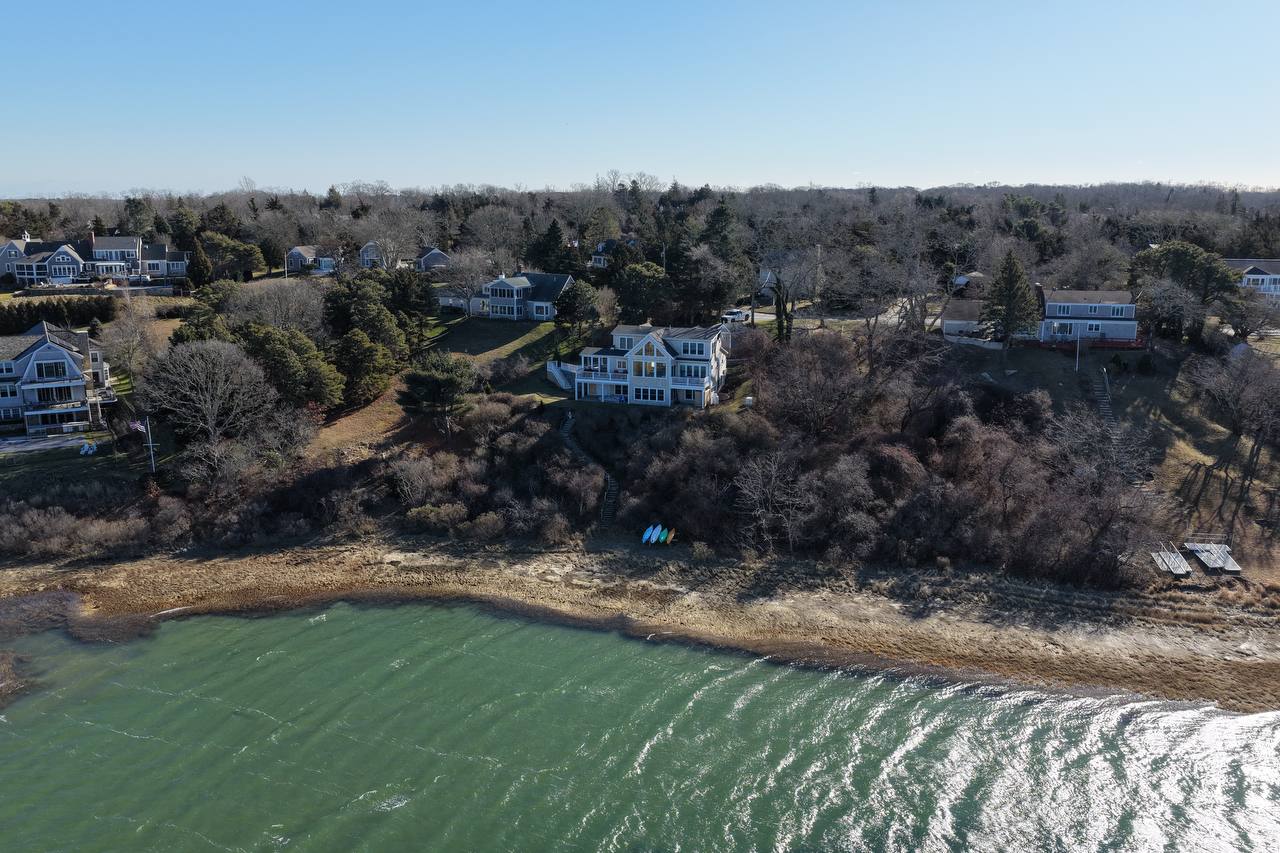
Architectural Asphalt Roofing: Complementary Protection for Complex Geometries
While cedar siding formed the project’s visual and functional centerpiece, the architectural asphalt roofing system on the newly constructed addition required equally precise execution. We selected premium dimensional shingles in a deep charcoal gray tone, specified for their Class 4 impact resistance, 130+ mph wind ratings, and enhanced UV reflectivity—critical performance characteristics for Orleans’ exposed coastal location.
The roof’s complex geometry—multiple slopes, varying levels, and intricate transitions—demanded custom flashing protocols and meticulous installation sequencing. We implemented a continuous ice-and-water shield membrane across all eaves, valleys, and penetrations, extending 24 inches beyond interior wall lines to prevent wind-driven rain intrusion. Valley construction utilized a woven shingle method rather than metal liners, creating a monolithic water-shedding surface that eliminates fastener exposure and reduces thermal bridging.
Critical detailing steps included step flashing integration at roof-to-wall transitions, ridge ventilation calibrated to maintain balanced attic pressure, and high-performance gutter systems with 6-inch K-style profiles to handle Cape Cod’s intense precipitation events. The dark charcoal gray roof creates a striking visual contrast with the warm tones of cedar siding and crisp white trim, enhancing the home’s classic coastal aesthetic while delivering decades of reliable protection.
The 7-Day Execution Protocol: Precision Under Time Constraints
Completing a full cedar siding installation and asphalt roof replacement in one week requires military-grade coordination and phased execution. We structured the workflow into overlapping phases to maximize efficiency without compromising quality:
Days 1–2: Substrate preparation, moisture testing, weather-resistive barrier installation, and material staging. Pre-cutting of cedar shingles for complex architectural elements occurred off-site to reduce on-site waste.
Days 3–5: Cedar siding installation beginning with corner templating and complex element detailing, followed by field shingle application. Crews worked in rolling zones to maintain continuous weather protection while ensuring proper ventilation gap consistency.
Days 4–6: Simultaneous asphalt roofing installation on the new addition, progressing from eaves to ridge with continuous underlayment coverage. Flashing integration and valley construction occurred in parallel with siding work.
Day 7: Final detailing, fastener verification, ventilation inspection, and comprehensive QA audit.
Real-time weather tracking, pre-fabricated components, and cross-trained crews minimized downtime. Daily quality audits ensured zero tolerance for misaligned courses, inconsistent fastener depth, or compromised flashing details. The synchronized workflow succeeded because structural integrity was prioritized over speed, material compatibility was verified before installation, and every transition detail was inspected before concealment.
Integrated Coastal Design: Material Harmony & Architectural Cohesion
The finished exterior demonstrates how complementary materials create a unified architectural statement. The natural warmth of white cedar siding pairs beautifully with the dark charcoal asphalt roof, crisp white trim, and brick chimney, creating visual depth and coastal character. Each material was selected not only for its individual performance characteristics but for its ability to work synergistically within the overall system.
The cedar’s organic texture contrasts with the roof’s dimensional shingle profile, while the white trim provides architectural definition and reflects ambient coastal light. The brick chimney serves as a visual anchor, grounding the composition with its substantial presence. Together, these elements create a cohesive exterior that honors New England’s architectural heritage while meeting modern performance standards.
Long-Term Performance & Maintenance Expectations
This integrated exterior system is engineered for decades of reliable service:
- Cedar siding: 40–50 year lifespan with natural patina development; gentle low-pressure rinsing to remove salt buildup twice annually
- Asphalt roofing: 40–50 year service life with bi-annual debris clearance and post-storm inspections
- Trim and flashing: Annual verification of sealant flexibility and fastener integrity
We recommend bi-annual inspections focusing on ventilation gap clearance, fastener exposure, and drainage path functionality. Gentle cleaning with low-pressure water removes salt crystallization and organic debris without compromising the wood’s cellular structure; high-pressure washing or chemical treatments should be avoided as they strip natural extractives and accelerate surface degradation.
With proper stewardship, this exterior will age gracefully while maintaining structural performance, developing the distinguished character that only natural cedar can provide.
Final Notes for Coastal Renovation Professionals
Successful coastal renovations require more than premium materials—they demand an understanding of material behavior, environmental stressors, and precision installation protocols. This Orleans project demonstrates how traditional cedar craftsmanship, when integrated with modern ventilation systems and disciplined project management, creates exteriors that perform as beautifully as they endure. For builders, architects, and homeowners navigating similar coastal renovations, the difference between premature failure and generational performance lies in the details: ventilation continuity, fastener compatibility, and uncompromising transition detailing.